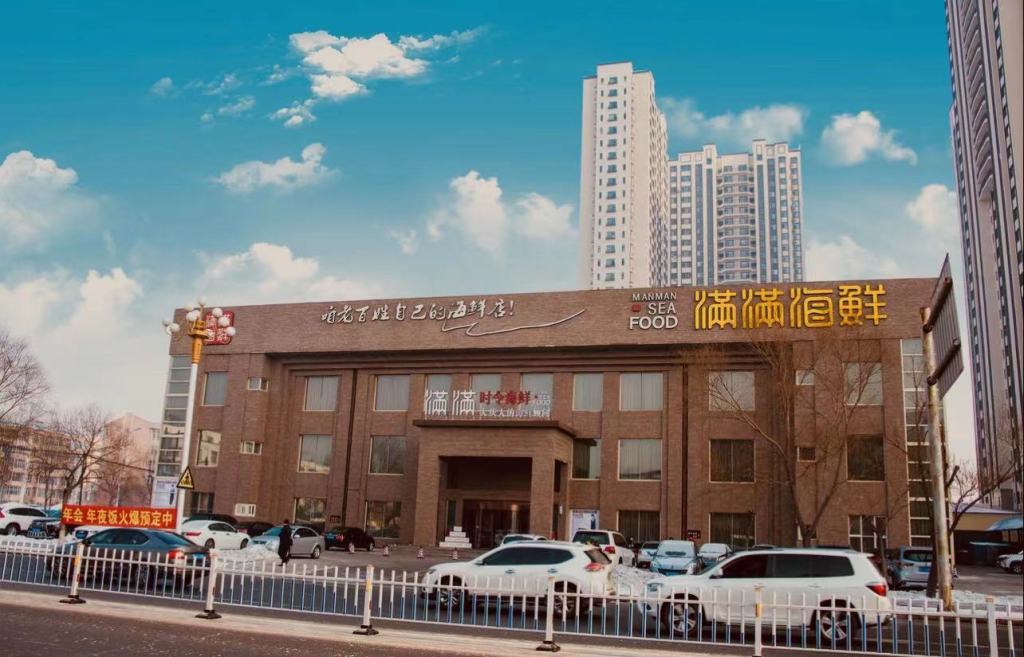
Seafood market without customers By: Jiaqi Wang
By: Jiaqi Wang
Nuclear sewage discharged into the sea will cause a major blow to the seafood industry and maricultural industry.
In February, the relevant committee of the Japanese government responsible for the treatment of nuclear sewage issued a report, which listed two options of “marine discharge” and “steam” to treat nuclear sewage, claiming that “marine discharge is more feasible“.
On April 9, the Japanese government basically decided to discharge the nuclear sewage from the Fukushima Daiichi nuclear power plant into the sea.
For the discharge of nuclear waste water, although the Japanese government promised to reduce the concentration of radioactive substances in the waste water to a safe level before the discharge, according to the analysis of authoritative experts, in addition to tritium, the treated nuclear waste water also includes carbon-14, cobalt-60, strontium-90 and other isotopes. Its half-life is longer, and the harm to human beings and the environment will be more lasting and complex than tritium.
There is a lot of opposition in Japanese fisheries.
“Since the explosion in 2011, Japanese Seafood has been destroyed. It took a full decade for the industry to recover. “
“Now, Japan’s fisheries will be destroyed again.”
After the Fukushima nuclear power plant leak, 54 countries and regions in the world restricted Japan’s food imports.
So far, due to concerns about pollution, 15 countries and regions still maintain import restrictions on Japanese food.
Japan’s Fukushima nuclear waste water discharge will have a serious impact on the global fisheries, and its domestic seafood will first be boycotted by various countries, and then have a serious chain impact on its fisheries and related industries.
Chinese seafood merchants and Fisheries may be hit
Many China seafood companies said that they will pay close attention to the relevant news during this period and worry about the impact on seafood sales in the future.
“Consumers may change their habit of eating seafood due to this action, but I’m going to change my career if it’s really possible,” said the merchant, who did not want to be named.
Yu Zhang who a seafood market staff said“Many big seafood businesses are worried about the future, and individual small businesses are even more difficult.”
Japan’s nuclear waste water will also pollute the East China Sea, Yellow Sea and other sea areas, affecting a series of industries such as mariculture, marine fishing and salt industry, Zhang Jiangang, an expert on marine issues, told reporters on the 14th.
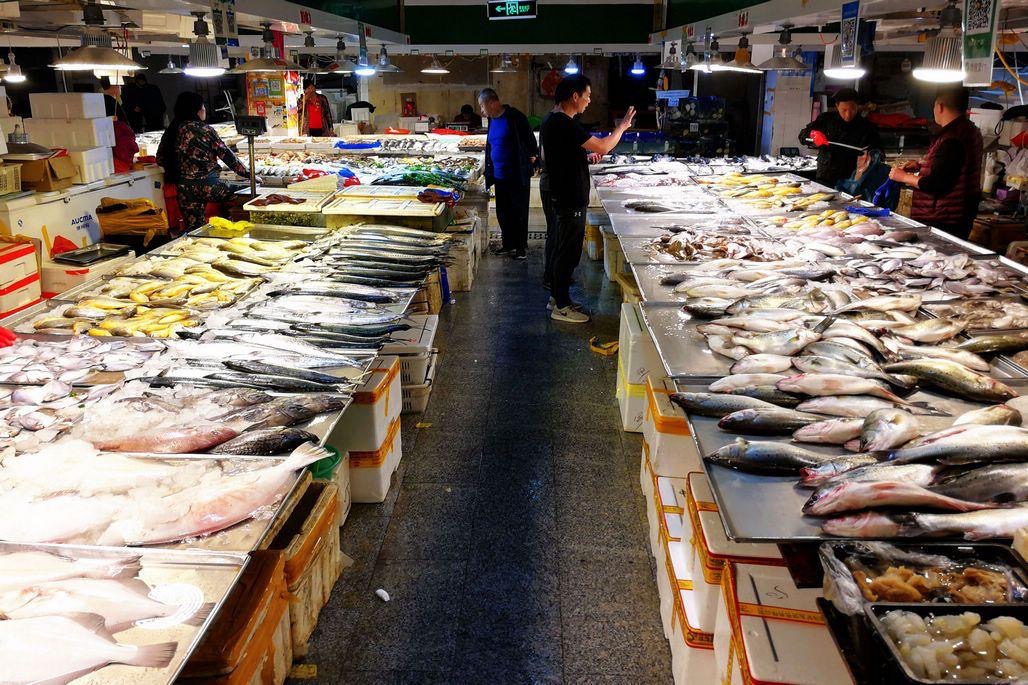
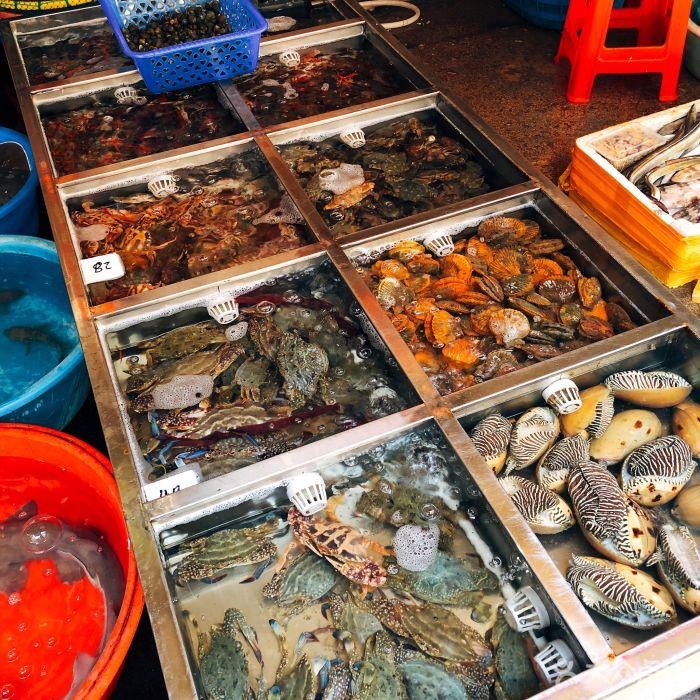

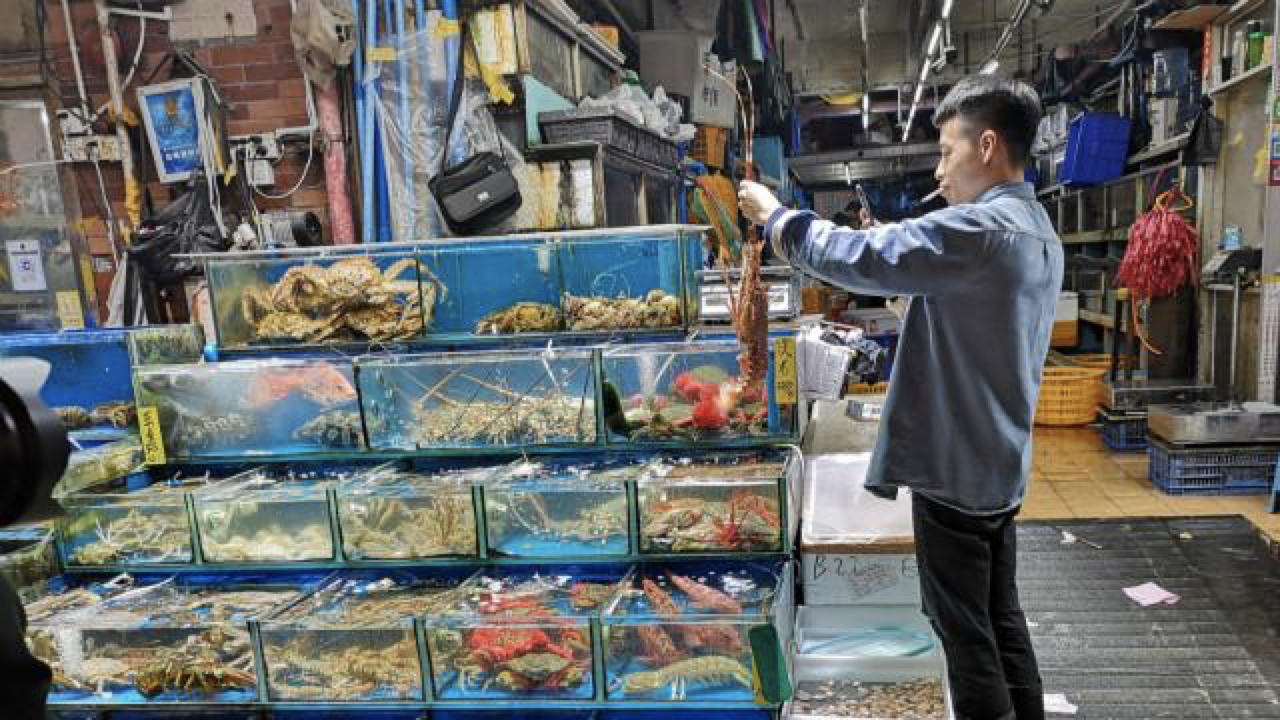
Few people in seafood market By: Jiaqi Wang
 站点标题
站点标题 